.png?lang=en-CA&ext=.png)

2026 Grant Recipients
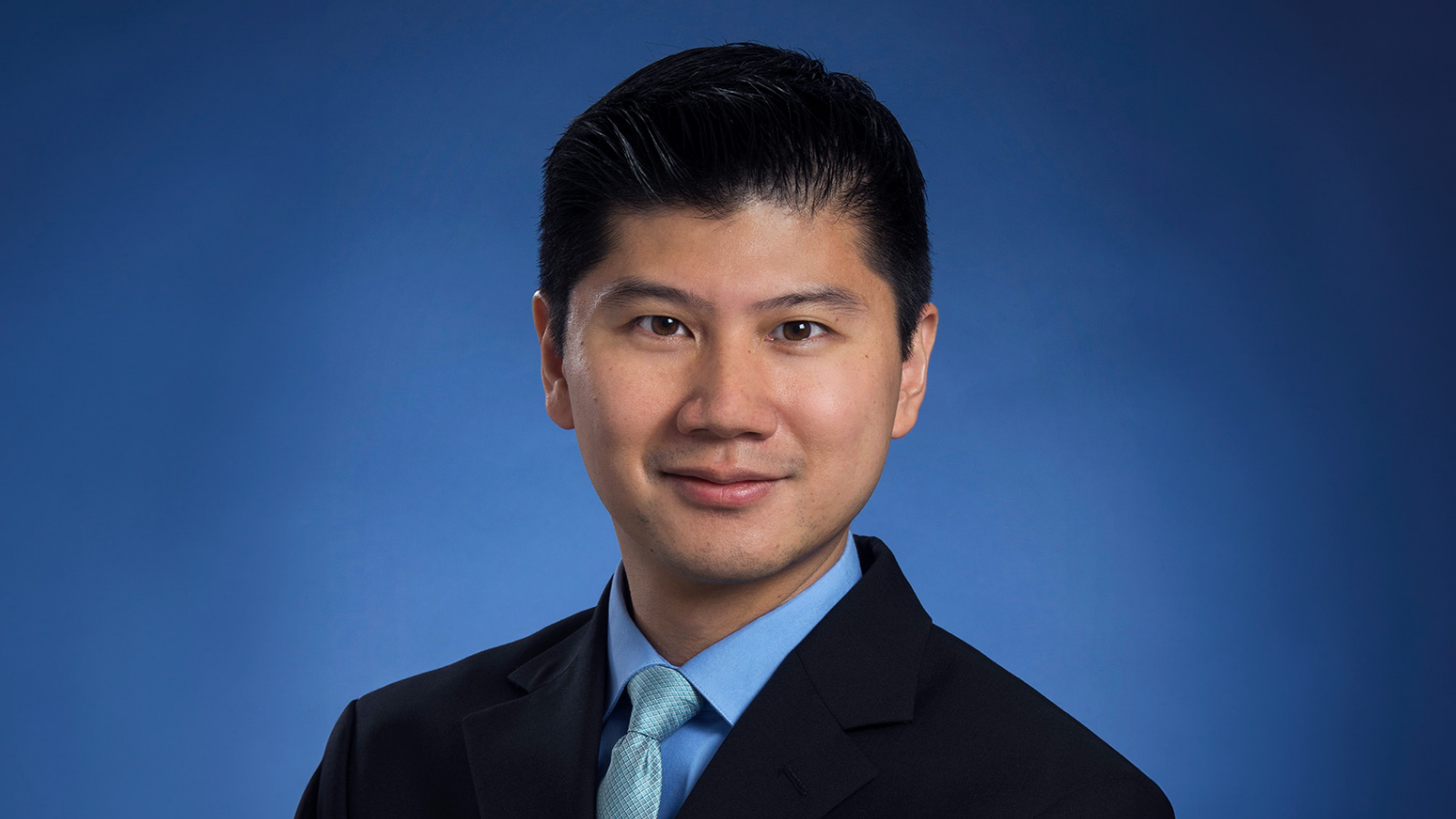
Dr. Steven Chan
Dr. Chan is a Senior Scientist and Staff Physician at Princess Margaret Cancer Centre, and an Associate Professor in the Temerty Faculty of Medicine at the University of Toronto. He earned his PhD and MD degrees at Stanford University. Dr. Chan leads a laboratory focused on developing new therapeutic approaches for patients with leukemia where he sees first-hand how patients benefit from research and the clinical challenges that remain with leukemia prevention and treatment.
Prime Editing Gene Therapy for Direct Correction of High-Risk Clonal Hematopoiesis Mutations
Principal Investigator: Dr. Steven Chan
Hematopoietic (blood) stem cells maintain healthy blood throughout life. When mutations arise in these cells, a condition called clonal hematopoiesis (CH) can develop, where mutated stem cells expand over time. CH becomes more common with aging and increases the risk of blood cancers such as leukemia. Some mutations carry particularly high risk, yet there are currently no therapies to prevent leukemia in patients with CH.
Dr. Chan’s team is developing a two-step strategy to intervene before cancer develops. Using a precise gene-editing technology called prime editing, harmful mutations in blood stem cells can be “searched and replaced” to repair the DNA. Corrected stem cells would then be returned to the patient, followed by a highly targeted treatment to eliminate any remaining mutated cells while sparing healthy ones.
Using preclinical models, Dr. Chan and his team will test whether this combined approach can safely repair high-risk CH mutations and remove residual mutant cells. If successful, this strategy could shift CH care from passive monitoring to active prevention, reducing the risk of aggressive leukemias and opening the door to preventing other mutation-driven cancers.

Dr. Rob Rottapel
Dr. Rottapel is a Clinician Scientist and Immunologist at Princess Margaret Cancer Centre and a Professor at the University of Toronto. He is the former Amgen Chair for Cancer Research and has held leadership roles in the Terry Fox Research Institute and the Ontario Institute for Cancer Research. Dr. Rottapel is also a founding member of Northern Biologics, a Canadian Biotechnology Company that designed novel anti-cancer therapeutic antibodies licensed to AstraZeneca and Boehringer Ingelheim.
Designing a Cancer “Kill Shot” Therapeutic Protein Circuit to Treat Pancreatic Cancer
Principal Investigator: Dr. Rob Rottapel
Collaborators: Michael Elowitz, California Institute of Technology
Pancreatic cancer is one of the deadliest cancers, with survival rates below 10%. It is highly resistant to chemotherapy and can suppress the immune system, preventing the body from attacking the tumour. Most pancreatic cancers are driven by mutations in a protein called KRAS, which acts like a permanent “on switch” that fuels cancer growth and spread. Despite major efforts, drugs that effectively turn off mutant KRAS have remained elusive.
Dr. Rottapel and his team are developing a new strategy that turns this mutation against the cancer itself. Using a synthetic system called the RAS Therapeutic Circuit, the mutant KRAS signal is rewired to trigger a self-destruct message inside cancer cells, transforming KRAS from a growth signal into an irreversible kill signal.
Using pancreatic cancer cells from patients at Princess Margaret Cancer Centre, the team will test this approach in preclinical models. This research could lay the groundwork for a new class of therapies that harness cancer’s own biology to create more precise and less harmful treatments.

Dr. Suzanne Trudel
Dr. Trudel is a Clinician Scientist and Staff Hematologist at Princess Margaret Cancer Centre, and a Professor of Medicine at the University of Toronto. She completed a fellowship in the area of multiple myeloma at Weill Medical School of Cornell University and is conducting research on precision medicine approaches for the treatment of the disease.
Predicting Resistance to Teclistamab in Relapsed/ Refractory Multiple Myeloma Through Tumour and Immune Profiling
Principal Investigator: Dr. Suzanne Trudel
Collaborators: Dr. Guido Lancman, Dr. Trevor Pugh, Dr. Ben Wang
Teclistamab is a new immunotherapy that helps the immune system attack multiple myeloma, a complex blood cancer. While many patients respond well at first, the treatment can stop working over time as cancer cells develop resistance or the immune system becomes weakened. When this happens, patients are often moved through a trial-and-error sequence of new therapies, which can cause unnecessary side effects and further strain the immune system.
Dr. Trudel and her team aim to better understand how both the cancer and immune system change during treatment. By analyzing cancer DNA, proteins, and immune cells from simple blood tests taken at multiple timepoints, they can monitor how the disease responds to therapy in real time.
This approach could help doctors identify which patients will benefit from teclistamab, adjust treatment earlier, and avoid ineffective therapies. Ultimately, these monitoring tools could guide more personalized care and help immunotherapies work longer and more effectively for patients with multiple myeloma.
2025 Grant Recipients

Dr. Kerstin Kaufmann
Dr. Kaufmann is an Assistant Scientist at Princess Margaret Cancer Centre. She received her Master of Science in Molecular Medicine at the University of Erlangen and completed her PhD at Goethe University Frankfurt where she specialized in gene and cell therapy for blood diseases. In 2014 she joined The Princess Margaret for her post-doctoral training to study normal blood and leukemia stem cells, which she continues to explore in her current research.
Investigating the Protective Role of Molecular Sex-Differences in Blood Stem Cells and How They are Lost in the Progression to Leukemia
Principal Investigator: Dr. Kerstin Kaufmann
In 2022, approximately 500,000 people worldwide were diagnosed with Leukemia. Among these, men were 1.5 times more likely to be diagnosed with and pass away from this disease. We don’t know why this segment of the population is at a higher risk, so a better understanding is needed to advance leukemia treatment.
Dr. Kaufmann and her team recently discovered a sex-specific molecular program wired into umbilical cord blood stem cells that remains active in male cells but is repressed in female cells. Turning off this program could be a way to protect against leukemia.
The team will use advanced single cell technology to capture molecular changes over time in patients with a pre-leukemic condition. This could potentially lead to new disease-monitoring tools and treatment strategies that shape personalized care.

Dr. Keith Lawson
Dr. Lawson is a Urologic Surgeon and Scientist at Princess Margaret Cancer Centre and an Assistant Professor of Surgery and Medical Biophysics at the University of Toronto. He completed his residency in Urology at the University of Toronto where he also earned a PhD in Molecular Genetics through the Surgeon-Scientist Training Program. He subsequently completed a fellowship in Urologic Oncology at the National Cancer Institute.
A CRISPR Gene Editing Strategy for Improving Kidney Cancer Response to Engineered T-Cell Immunotherapy
Principal Investigator: Dr. Keith Lawson
Engineered T-cell therapies have emerged as a groundbreaking cancer treatment with the potential for curing certain cancers. CAR-T is a type of immunotherapy that reprograms a patient’s immune cells to recognize and attack cancer cells more effectively. While promising, its success has been limited because cancer cells often find ways to avoid destruction by CAR-T cells.
Dr. Lawson and his team have developed a novel approach that uses gene editing to improve treatment responses. The team will apply their gene editing capabilities to an aggressive subtype of kidney cancer that affects adolescents and young adults. If successful, the results will shape next-generation strategies and clinical trials, with the hope of improving outcomes for patients with this incurable kidney cancer.

Dr. Di (Maria) Jiang
Dr. Jiang is a Clinician Investigator and Staff Medical Oncologist at Princess Margaret Cancer Centre, as well as an Assistant Professor in the Department of Medicine at the University of Toronto. She also holds a Master of Science degree from Harvard School of Public Health. Dr. Jiang led the development of the Genitourinary Medical Oncologists of Canada guideline on muscle-invasive bladder cancer. Her current research focuses on targeted therapies for genitourinary malignancies.
Utility of Urine and Blood Cell-Free DNA in Bladder-Sparing Trimodality Therapy for Muscle Invasive Bladder Cancer
Principal Investigator: Dr. Di (Maria) Jiang
Collaborators: Dr. Srikala Sridhar, Dr. Trevor Pugh
Bladder cancer is the fifth most common cancer in Canada. Treatment usually involves chemotherapy and bladder removal surgery, leaving patients with a permanent opening on the abdomen that allows urine to pass into a bag. Trimodality therapy offers eligible patients a bladder-sparing alternative, but detecting remaining or recurring cancer afterwards remains challenging. Developing effective biomarkers and diagnostic tools is necessary to improve early detection and treatment outcomes.
Using liquid biopsies, the Pugh lab has established novel protocols for more precise tumour DNA measurement. This paves the way for larger biomarker studies and personalized clinical trials, ultimately improving patient outcomes.
2024 Grant Recipients
Dr. Steven Chan
Dr. Chan is a Senior Scientist and Staff Physician at Princess Margaret Cancer Centre and an Assistant Professor in the Department of Medicine at the University of Toronto. He completed his medical training, residency and Fellowship at Stanford University and Stanford Hospitals. Dr. Chen also has a PhD in Immunology from Stanford University. His current research focuses on developing new treatment approaches against blood cancer.
Investigating CD59 as a Novel Therapeutic Target Against TP53-Mutated Acute Myeloid Leukemia
Principal Investigator: Dr. Steven Chan (Senior Scientist)
Acute myeloid leukemia (AML) is a blood cancer that kills over 1,000 Canadians each year. The prognosis of AML patients is highly variable, depending on the specific genetic changes found in the patients’ leukemia cells. Specifically, one subtype of AML with mutations in a gene called TP53 is associated with a poor prognosis and current treatments are ineffective for this AML subtype.
Dr. Chan and his team recently discovered that high expression of another gene called CD59 is associated with the TP53 mutation in AML. Importantly, they found that decreasing the level of CD59 drastically reduces the growth and survival of TP53-mutated AML cells in a petri dish.
The team is planning to determine if the impact of decreasing CD59 expression in AML cells can also be observed in pre-clinical models. This is critical as findings made in a petri dish do not always represent what happens in a living organism. They will also investigate whether they can use a modified form of the protein called intermedilysin to specifically degrade CD59 and ultimately slow down the growth of TP53-mutated AML cells. The Potential Impact If successful, the tested protein could be turned into a new drug to treat TP53-mutated AML and ultimately improve the survival of patients with this deadly disease.

Dr. Housheng Hansen He
Dr. He is a Senior Scientist at Princess Margaret Cancer Centre and a Professor in the Department of Medical Biophysics at the University of Toronto. His research focuses on cancer epigenetics and RNA therapy. He has published over 100 research articles. Dr. He leads the RNA Nanomedicine Initiative and RNA Nanomedicine Core at The Princess Margaret and holds a Tier 1 Canada Research Chair in RNA Medicine.
Tumour-Selective Induction of Immunogenic Cell Death via Organ-Tropic Delivery of Switchable mRNA for Non-Small Cell Lung Cancer Immunotherapy
Principal Investigator: Dr. Housheng Hansen He (Senior Scientist)
Co-Applicant: Dr. Bowen Li
Cancer immunotherapy, which harnesses the power of the patient’s own immune system, has revolutionized treatment for many cancers. Despite their effectiveness, these treatments can lead to significant side effects as they can cause the immune system to not only attack cancer cells but also healthy cells and tissues.
Dr. He and his team are designing messenger RNAs (mRNAs) to carry specific instructions to cancer cells, like sending a message only cancer cells can read. The instructions will cause cancer cells to produce ‘toxic’ proteins, which may directly cause the cancer cells to self-destruct or make the cancer cells more visible and vulnerable to the body’s immune system.
To ensure that the mRNAs only target cancer cells, Dr. He’s team is incorporating so-called RNA switches into the mRNA. RNA switches act like light switches that only work in the presence of certain conditions found in cancer cells. When the switch is ‘on’, it allows the production of the ‘toxic’ proteins. In healthy cells, where the conditions are absent, the switch remains ‘off’, keeping the healthy cells safe. Then, to directly deliver the mRNA where it is needed, the team is using lipid (fat) nanoparticles, which have a natural tendency to accumulate in certain organs. The team is exploring RNA switches and lipid nanoparticles in the lung.
The combined approach of RNA switches and nanoparticles will ensure that the treatment is concentrated where it is most needed and, contrary to current systemic treatments, limit toxicity to healthy tissues. If successful, this approach could revolutionize cancer treatment and provide a promising alternative to conventional immunotherapy.

Dr. Thomas Purdie
Dr. Purdie is a Clinician Scientist and Staff Medical Physicist at Princess Margaret Cancer Centre and an Associate Professor in the Departments of Radiation Oncology and Medical Biophysics at the University of Toronto. He has been developing machine learning for radiation oncology since 2012 and has patented and commercialized machine learning technologies for automating clinical radiation oncology processes.
Machine Learning Generated Imaging to Close the Gap Between Diagnosis and Radiation Treatment Delivery
Principal Investigator: Dr. Thomas Purdie (Senior Scientist)
Radiation therapy (RT) is an essential cancer treatment that benefits approximately half of all patients diagnosed with cancer. The RT treatment process currently requires additional imaging of the patient to create the patient’s RT treatment. Unfortunately, standard-of-care diagnostic imaging is not suitable for creating RT treatments as it uses different imaging parameters, accessories and patient positioning. The need for additional RT imaging can delay treatment, which has been correlated with worse patient outcomes.
Dr. Purdie and his team have previously developed, patented and clinically deployed artificial intelligence (AI) technology to automate the complex and time-consuming task of creating patient-specific RT treatments for hundreds of patients at The Princess Margaret, improving the efficiency of the RT treatment process by 60% (71 hours per patient). The team has also developed AI technology that accurately generates RT imaging of the patient from readily available standard-of-care diagnostic imaging.
The team will explore integrating their AI technologies to establish a new clinical RT treatment process that creates RT treatments directly from diagnostic imaging without requiring additional RT imaging.
By collapsing the time between diagnosis and RT treatment, the team aims to better utilize limited clinical resources and overcome clinical redundancies, improve patient care by reducing the wait time for RT treatment, reduce hospital visits for the patient, and improve the quality and outcomes of RT treatment.